Late service / Sydney

The night holds the table.

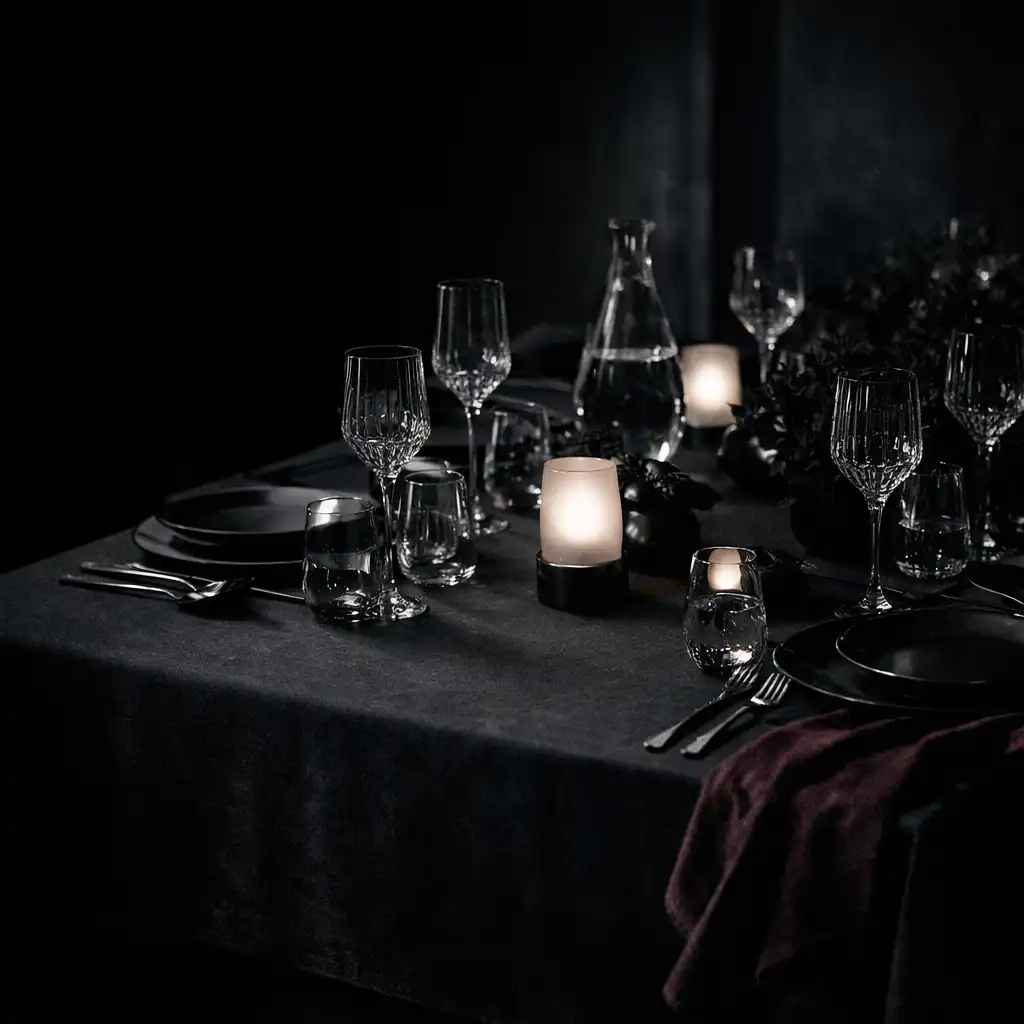
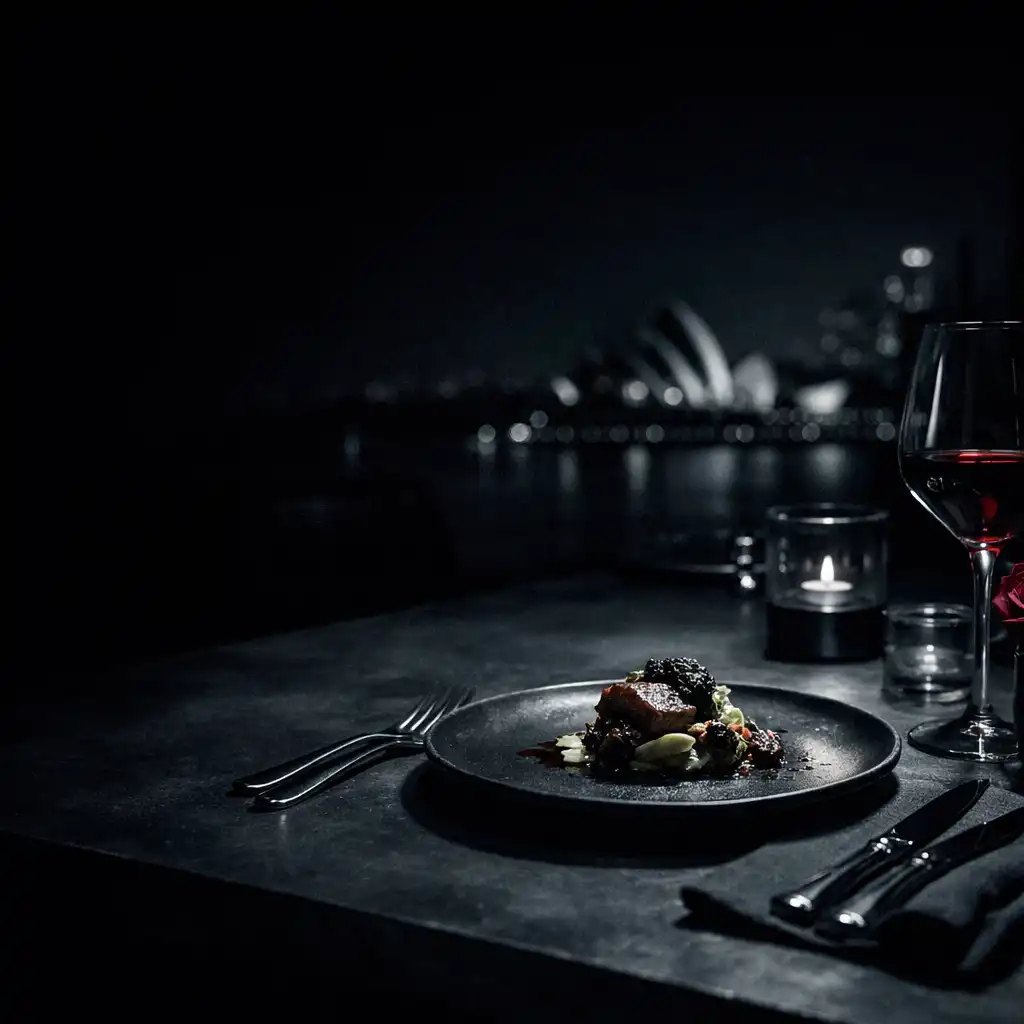
A late dining table with a plated course, silver cutlery and dark linen in low light.
Late dining at Slate & Onyx, Sydney, Australia — composed around low light, silver detail and conversation.

Chef selections are shaped for an unhurried late table, with room for each course and each exchange. The physical card lounge is a separate continuation for those who wish to carry the evening into an offline poker setting.

Explore chef selections

Kitchen direction

A kitchen for the late hour

01 / Seasonal restraint

Clarity, held close

Chef selections begin with seasonality, but they do not become a catalogue of it. The kitchen works toward clarity: a decisive temperature, a clean texture, a scent that arrives before the plate settles. A small number of elements are allowed to speak together rather than compete. Direction can shift with the season and with service, leaving the table responsive to what the kitchen is considering that night.
02 / Pacing after dark

Space between courses

Late dining is arranged for conversation, not a hurried sequence. Courses arrive with enough space for a table to notice what has changed, return to a thought, or let the room settle around it. Service stays attentive to the rhythm of the table, allowing a meal to gather depth gradually rather than pressing every course into the same pace.

03 / Table language

Material makes a pause

Dark ceramics hold bright cutlery in relief. Linen softens the edge of slate-toned surfaces, while carefully placed plates give the table a visual cadence of its own. These gestures are not ornament for its own sake; they make the act of looking, tasting and speaking feel measured against the surrounding dark.

Chef selections

Selections in three movements

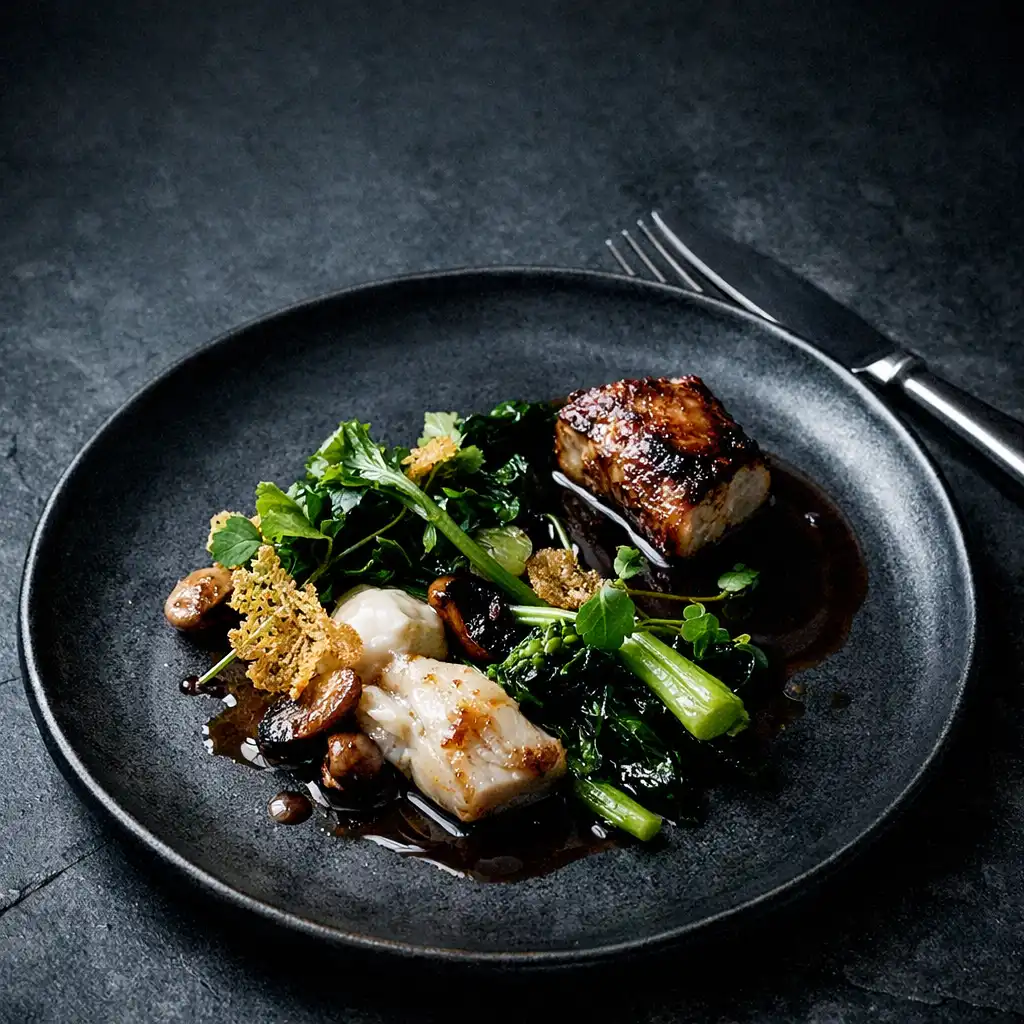
A refined chef selection on a dark ceramic plate with silver detail.

I / Arrival

First movement

The opening of the table is crisp, bright and measured. It might turn toward seasonal produce, a clear broth, or an element kept raw or lightly cooked, but the intention remains the same: sharpen attention before the fuller meal. Small details establish temperature and contrast, giving the first exchanges at the table a precise place to begin.

II / Depth

Second movement

The centre of the meal moves warmer and more textural, suited to a longer exchange under low light. Smoke, char, leaf, grain or a mineral note may appear as part of the kitchen’s language, never as a fixed promise. In the room’s cool shadows, the plate gains depth slowly, asking for attention without interrupting conversation.

III / Final note

Third movement

A quieter closing can bring savoury and sweet into a final contrast, then leave the night open rather than sealed. After dinner, some guests may choose to continue their conversation elsewhere in the venue, including the physical card lounge. The dining experience remains complete on its own terms, with no required next chapter.

Selection note — the kitchen’s direction changes with the season and the evening’s service. These movements describe an approach, not a fixed menu.

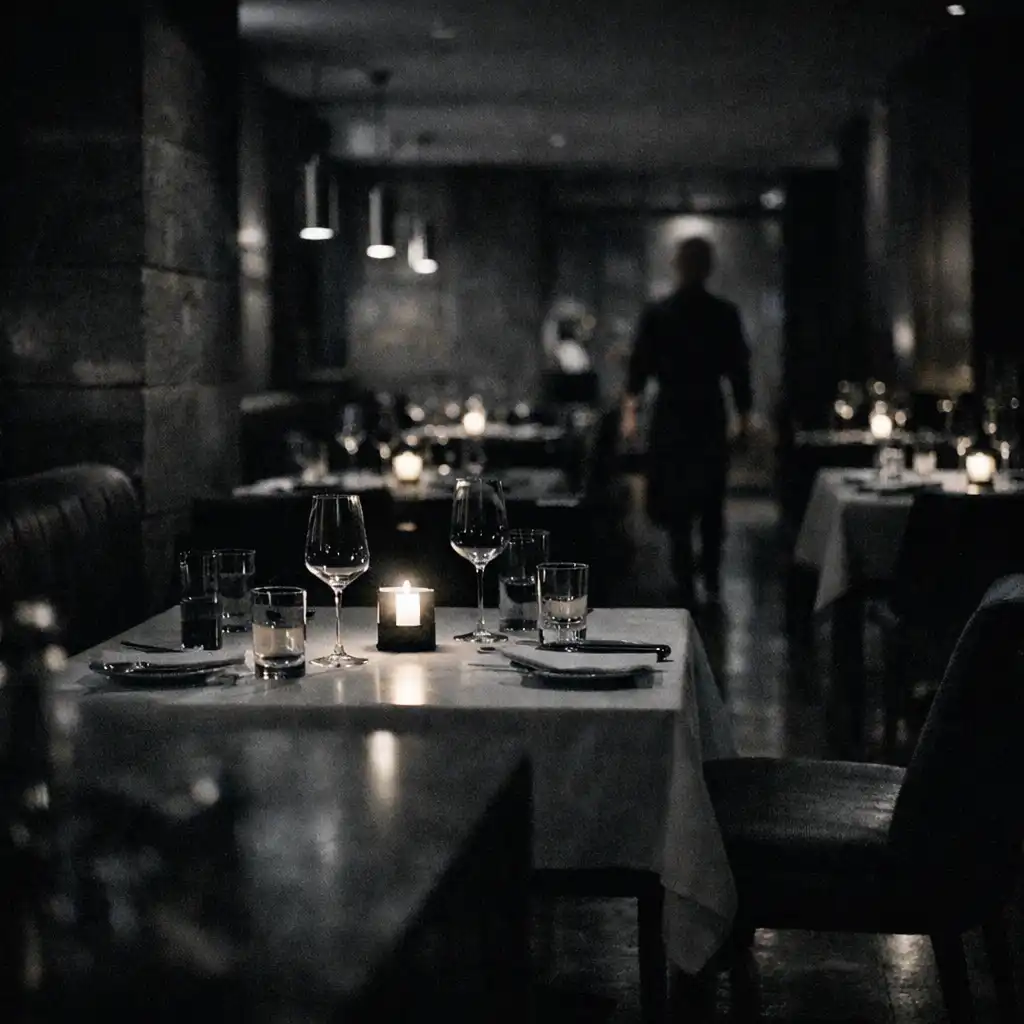
A contemporary fine-dining room with set tables and cool highlights in the dark.

Room study / Nocturne

A dining room composed around table light, dark surfaces and the space between occupied settings.

The late table

The room after dark

Light held low

Crushed blacks and cold highlights keep attention close to the table rather than sending it across the room at large. Pools of light are intended to make plates, companions and place settings easy to read, while preserving the quieter edges that give late dining its sense of enclosure.

Conversation has space

The social tempo is low-voiced and composed, with pauses between courses and room for a table to settle into its own exchange. It is not a demand for silence; it is an invitation to notice the people present, the service arriving, and the changing character of the meal.

Material at the table

Slate-toned surfaces, glass, linen, cutlery and shadow form the aesthetic vocabulary of the room. They are cues rather than a fixed inventory: hard and soft, reflective and matte, bright edge and dark field. Together they support a table setting that feels considered without becoming overly staged.

Card lounge threshold

From dinner to the card lounge

A separate room, one nocturnal rhythm

The card lounge is a distinct physical space within the broader Slate & Onyx experience. Its tone remains social, considered and after-dark, but it follows its own room rhythm. Guests can enjoy late dining without moving on, or learn more about the lounge’s atmosphere and its in-person formats through the dedicated Card Lounge page.

After-dinner continuation

A late meal can be followed by time in the lounge for conversation and in-person card play, if that suits the night. Offline poker is presented as a physical, social activity among people sharing a table; it is never assumed to be part of every dinner, and dining does not depend on participation.

Enter the card lounge

Physical card play

Offline poker, held in the room

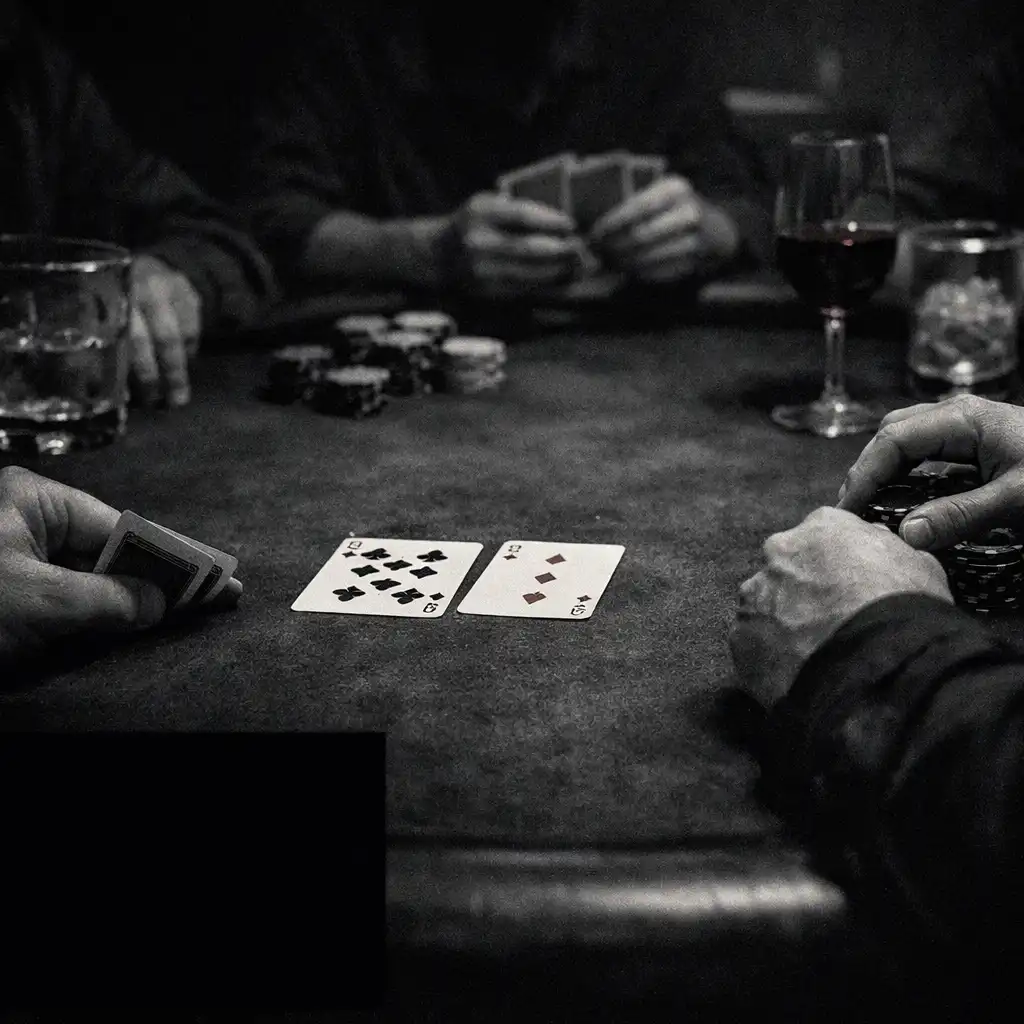
Hands gathered around a physical poker table in a dark card lounge.

Physical tables, present company

Offline poker brings attention back to the room: hands, cards, table felt, clear conversation and shared etiquette at physical poker tables. The emphasis is on the people present and the pace they establish together, not on outcomes. It is a face-to-face continuation for guests who want the night to become more social after dinner.

Format note

Texas Hold’em evenings

Texas Hold’em is one recognised format visitors may encounter in the lounge. Here, it is understood through the rhythm of a shared table: clear turns, attentive company and a sequence that remains visible to everyone present. Detailed guidance belongs with etiquette and orientation, leaving this introduction focused on the room itself.

Table rhythm

Small-table attention

Measured pacing, attentive hosts and a calm table environment help poker evenings stay social and legible. Guests are encouraged to notice the pace already in motion, communicate clearly and make space for others. The atmosphere favours considered participation over spectacle, with the table treated as a shared social surface.

Lounge guidance

At the poker table

01

Arrive with the table’s pace

Take a moment to observe the current hand, wait for a natural pause, and follow the host’s direction before taking part. A physical poker table has its own shared rhythm, especially when people are already settled into conversation. Arriving with attention makes the transition easier for both newcomers and regular visitors.

02

Keep the table clear

Cards, hands and shared table space should remain easy to read. Keep personal items from crowding the active area, and let dining service remain with the table setting rather than the card space. A clear surface gives everyone a better view of the table’s cues and helps the room feel calm.

03

Let turns be visible

Use clear verbal and physical cues, stay attentive when it is your turn, and allow others time to complete theirs. This is welcoming guidance for experienced guests and newcomers alike: no detailed knowledge needs to be performed. Patience and visibility make a shared table easier to follow from one person to the next.

04

Keep the evening social

A respectful poker evening values conversation, calm attention and consideration for everyone at the table. The same late-night hospitality that frames dinner carries into the lounge: make room for others, keep the exchange generous, and let the table remain a place where people can be present together.

Private evenings

Private evenings, composed to your rhythm

An intimate private dining table prepared in low light with dark linen and silver cutlery.

Dinner as the first chapter

A private evening creates space to gather around late dining, chef selections and a room shaped for conversation. It can begin with the simple pleasure of a considered table and an unhurried sequence of courses, leaving the exact mood of the night open to the people sharing it. The aim is not a prescribed occasion, but a setting with enough composure to hold one.

The lounge as an optional atmosphere

For guests interested in offline poker and shared table etiquette, the physical card lounge can form part of the broader evening’s atmosphere. It is never a required continuation or a promised arrangement; an enquiry is the right place to discuss the shape of a night and the interests of those attending.

Plan a private evening

Begin with an enquiry and shape the conversation around the kind of late evening you have in mind.

A possible sequence

A late-night sequence

Arrive into the room

Settle into the nocturnal dining room and begin with the evening’s own table rhythm. This is an illustrative first beat, not a timetable: the room opens around conversation, attention and the character of the night.

Follow the chef’s selections

Let the chef-led progression move through season, contrast and attention at the table. Return to chef selections for the three movements that describe this approach without fixing a menu.

Pause after dinner

Remain in the atmosphere for conversation, reflection, or simply a quieter interval between chapters. This pause is personal and optional, leaving room for each table to decide how the rest of the night should feel.

Enter the card lounge, if it suits the night

The physical card lounge is an optional setting for offline poker, poker tables and a social Texas Hold’em table rhythm. Visit the Card Lounge page for the dedicated room context.

Continue with clarity

Continue the night with clarity

Read the lounge guidance

For a closer understanding of card lounge atmosphere, offline poker formats and poker-table etiquette, explore the Card Lounge page and the practical answers collected in the FAQ. They offer useful orientation before a visit.

Plan the dining conversation

If you are considering late dining or a private evening, begin with an enquiry. The next step is a conversation about what you are hoping the night can hold.

Plan your late evening